
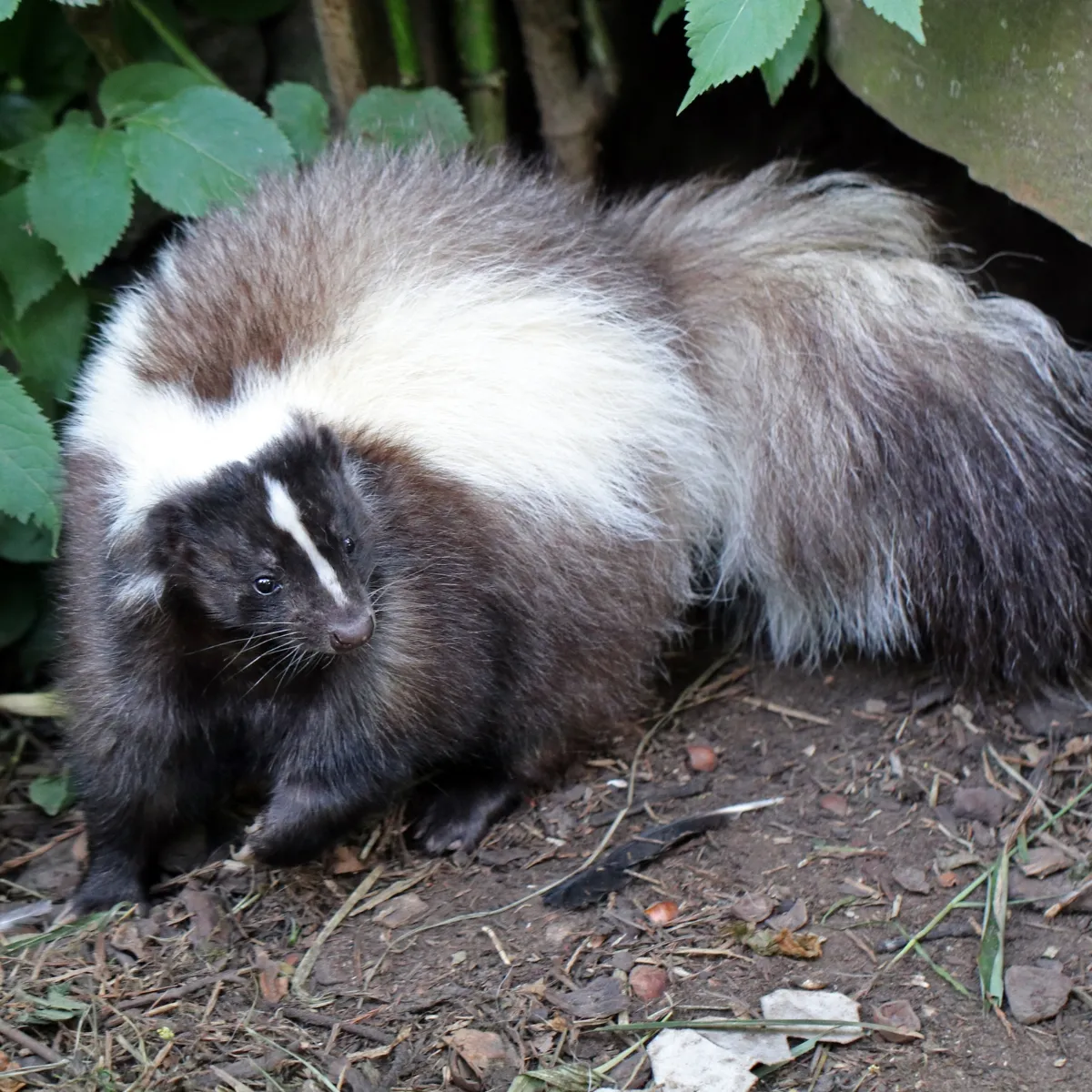
Health Protection Strategies against Contamination from Feral Animal Activity
Unseen droppings inside hidden corners often trigger silent indoor hazards. Air quality declines when nesting waste remains untouched for long periods. Timely action supported by animal removal services in San Antonio reduces exposure risks inside closed environments. Surface particles travel through ventilation paths and settle on daily-use items. Clean surroundings support safer breathing conditions for every occupant. The following sections present clear protective measures that secure indoor hygiene and prevent recurring contamination.
Hidden Contaminant Sources within Structures
Organic waste accumulates behind walls and above ceilings. Early inspection limits spread across living zones.
- Accumulated droppings release airborne particles affecting enclosed breathing zones
- Urine-soaked materials create a strong odours across interior surfaces
- Nesting debris blocks ventilation, causing moisture build up inside cavities
- Shed fur spreads allergens across stored household items
Proper removal restores safer indoor conditions.
Controlled Waste Handling and Disposal
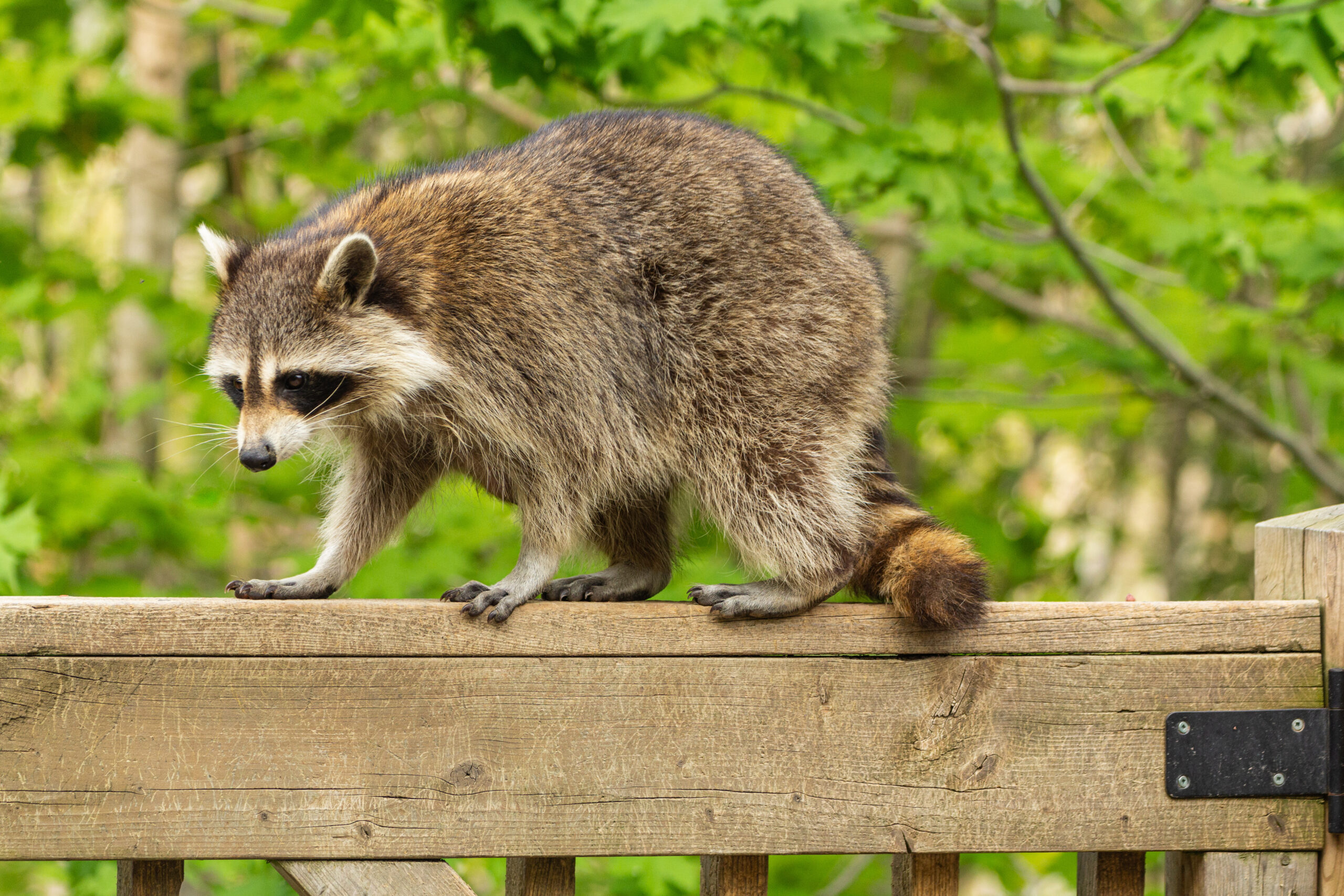
Protective gear reduces direct contact during clean-up procedures. Sealed bags prevent particle movement through rooms. Dedicated disposal methods limit cross-contamination. Regular monitoring keeps the interior air stable.
Airflow Improvement for Safer Breathing
Ventilation upgrades push stale air outside closed spaces. Filter replacement traps suspended contaminants effectively. Balanced circulation supports stable interior freshness. Clean ducts maintain a consistent indoor environment.
Surface Disinfection for Daily Safety
Contact zones require repeated cleaning for lasting hygiene. Non-porous materials allow quick sanitation. Porous items demand careful treatment to remove absorbed waste. Routine wiping prevents microbial build up.
- Disposable gloves prevent direct exposure during surface cleaning sessions
- Microfiber cloths capture fine particles from textured furniture layers
- Enzyme-based solutions break down organic residue efficiently
- Closed containers store contaminated materials before safe disposal
- Wall corners receive targeted wiping, removing hidden droplet stains
- Floor edges require frequent sanitation against the spread of dust traces
- Storage shelves demand periodic cleaning to avoid particle settlement
- Reusable tools need washing after each contamination removal cycle
Consistent disinfection supports healthier indoor activity.
Structural Sealing For Intrusion Prevention
Gaps around utility openings allow repeated entry for small creatures. Reinforced barriers block hidden movement paths. Tight sealing reduces internal contamination sources permanently.
Safe Restoration after Infestation Impact
Damaged insulation holds harmful residue for extended periods. Replacement restores indoor cleanliness. Coordinated recovery often depends on animal removal services in San Antonio for effective planning and complete sanitation.
Environmental Balance for Long-Term Protection
Outdoor clutter attracts roaming animals seeking shelter. Waste control reduces visit frequency. Proper storage removes scent trails that guide them toward buildings. Managed surroundings maintain hygienic indoor zones.
Safer Living through Preventive Care
Healthy interiors depend on swift clean-up, proper airflow, and stable sealing. Balanced sanitation removes hidden residue that spreads through confined spaces. Planned restoration strengthens indoor reliability for long term use. Clean surroundings discourage return activity from roaming creatures. Consistent monitoring delivers protected living zones for every occupant.